
The Vietnamese Energy Sector in 2026 Plans and Pathways for Improved Sustainability
A brief introduction to our research report analyzing Vietnam’s energy transition in 2026, where policy intent meets infrastructure delivery, and sustainability goals confront reliability, affordability, and investment reality.
ESG, CSR & SUSTAINABLE DEVELOPMENT
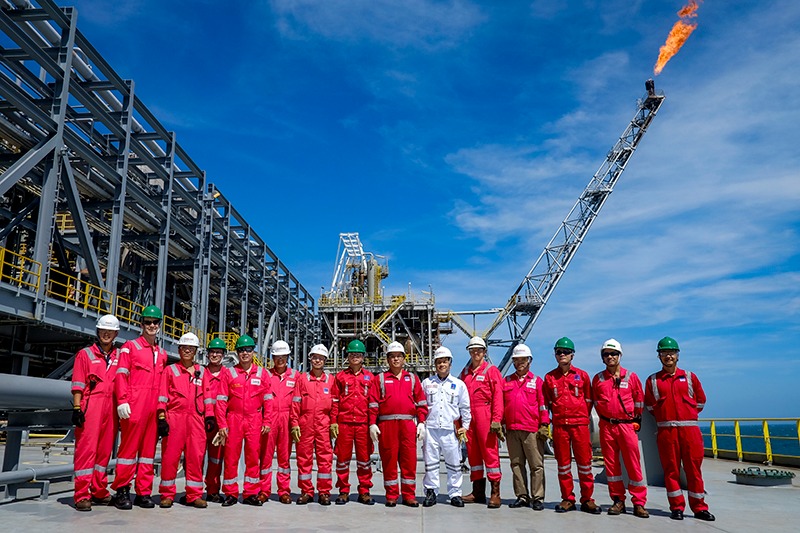
Vietnam’s energy transition is no longer a future ambition, it’s becoming an execution test. As demand accelerates alongside industrial growth, the question shifts from whether Vietnam will decarbonize to how it will do so without compromising affordability, reliability, and competitiveness.
For investors, operators, and policymakers, the next phase will be defined less by headlines and more by implementation: the quality of rules, the bankability of projects, the credibility of enforcement, and the speed at which capital can move from intent to infrastructure. In practice, this is where energy transitions succeed or stall.
That makes 2026 a useful lens: a moment where strategy meets delivery, and where market design, financing pathways, and emissions accountability begin to shape real-world outcomes. The aim of this publication is to frame that landscape clearly so readers can understand what matters, what’s changing, and why it matters now.
In this research report, LXNA Insights provides an independent, structured analysis of Vietnam’s 2026 energy transition, assessing the policy and planning framework, market reforms, green finance incentives, and emissions-reduction mechanisms shaping the country’s pathway to improved sustainability.
Invest in your future with our expert guidance.
Support
Subscription to gain access to our newsletter
support@lxnafinancial.com
(+84) 951 336 920
Copyright © 2025 LXNA Group Limited
Ho Chi Minh City, Vietnam