
Vietnam’s Sustainable Development Policies and Their Impact on Financial Market
A brief introduction to our research report analyzing Vietnam’s sustainable development policies, their implementation, and their implications for market stability, growth, and ESG-driven investment.
ESG, CSR & SUSTAINABLE DEVELOPMENT
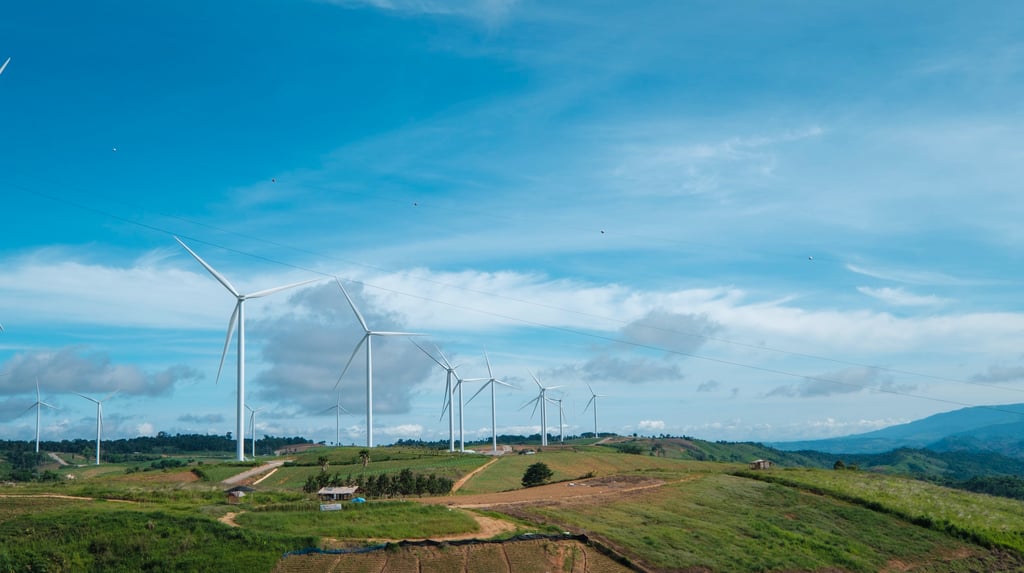
Vietnam stands at a pivotal moment in its economic development. Over the past two decades, the country has emerged as one of Southeast Asia’s fastest-growing economies, driven by increasing foreign investment, structural reforms, and a gradual shift toward sustainability-oriented growth. As environmental, social, and governance considerations become more central to global capital allocation, understanding Vietnam’s sustainable development policies has become increasingly important for investors, institutions, and policymakers.
This research report examines how Vietnam’s sustainability agenda is reshaping its economic landscape and financial markets. It focuses on the evolution of national policy frameworks, including green growth strategies, climate action plans, environmental regulation, and energy transition policies, and analyses how these initiatives translate into measurable economic outcomes. Particular attention is given to the interaction between public policy, market structures, and long-term investment dynamics.
The study also explores the broader economic impacts of Vietnam’s sustainable development transition. It assesses how policies have influenced foreign direct investment, renewable energy expansion, employment creation, infrastructure development, and resilience to climate-related risks. Through selected case studies, the report illustrates how sustainability policies are being implemented in practice, highlighting both successful outcomes and structural constraints across different regions and sectors.
While Vietnam’s progress demonstrates strong political commitment and growing international alignment, the report also identifies key challenges, including uneven provincial implementation capacity, financing requirements, infrastructure bottlenecks, and technological gaps. These constraints underline the complexity of managing a large-scale transition while maintaining economic stability and competitiveness.
Produced by LXNA Group’s Junior Consulting division, this research aims to provide a clear, impartial, and policy-focused perspective on Vietnam’s sustainable development trajectory. It is intended to support informed discussion around ESG, CSR, and long-term economic strategy, and to contribute to a deeper understanding of how sustainability-driven policy can shape emerging markets in Southeast Asia.
The full research report is available for download below:
Invest in your future with our expert guidance.
Support
Subscription to gain access to our newsletter
support@lxnafinancial.com
(+84) 951 336 920
Copyright © 2026 LXNA Group Limited
PARIS · SYDNEY · HO CHI MINH CITY